
Car AC Winter Care: Why You Should Run Your Car AC in Cold Weather
Most drivers switch off the air conditioning when the weather turns cold and do not touch it again until summer. That habit can actually shorten the life of your car’s AC system. A few minutes of use and some simple care during the colder months help keep the system healthy, your windshield clear and your cabin air fresh.
Why Run the Car AC in Winter?
It keeps the system lubricated
The refrigerant in your car’s AC system carries a small amount of oil that lubricates the compressor and keeps rubber seals and O-rings soft. When the system sits unused for months, seals can dry out and shrink, which may lead to slow refrigerant leaks. Running the AC regularly circulates that oil.
It clears foggy windows faster
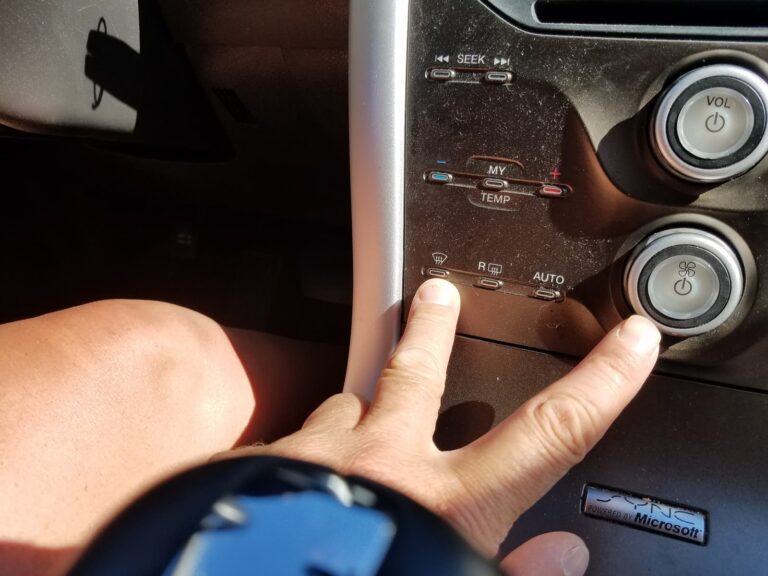
The AC removes moisture from the air as it passes over the cold evaporator. That dry air defogs the windshield far more quickly than heat alone. In fact, on many vehicles the defrost setting automatically engages the AC compressor for this reason. Your heater still warms the air, so you get warm, dry air on the glass.
It reveals problems early
If the AC is weak or noisy, you will find out in winter while repair shops are less busy, instead of during the first heat wave.
A Simple Winter Car AC Routine
- Run the AC about once a week for 10 minutes. Do this with the engine fully warmed up. You can keep the temperature on warm; the compressor still runs.
- Use defrost mode on cold, damp mornings. Let the system pull moisture out of the air for clear, safe visibility.
- Switch off recirculation when defogging. Fresh outside air is usually drier in winter and helps the glass clear faster.
- Dry out the evaporator before parking. Turning off the AC but leaving the fan running for a couple of minutes before you arrive helps dry the evaporator and reduces musty smells.
Other Winter Car AC Care Tips
- Replace the cabin air filter. A clogged filter weakens airflow for both heat and AC. Many manufacturers suggest changing it every 12,000 to 15,000 miles or once a year, so check your owner’s manual.
- Clear the cowl area. Leaves and snow collect in the area below the windshield where the fresh-air intake sits. Keep it clear to prevent water leaks and blocked airflow.
- Inspect the condenser. The AC condenser sits in front of the radiator. Rinse off road salt and bugs gently when you wash the car.
- Listen for noises. Grinding or squealing when the AC engages can point to a failing compressor clutch or belt.
Signs Your Car AC Needs Attention
- The air is not cold even after several minutes with the engine warmed up.
- The windows fog up and take a long time to clear on defrost.
- A musty or sour smell when the fan starts.
- Water dripping inside the cabin or a damp passenger footwell.
- The AC light blinks, or the compressor clicks on and off rapidly.
If you notice any of these, read our car AC guides or have a certified technician check the system. Car AC refrigerant should only be recovered and recharged with proper equipment.
Frequently Asked Questions
Will running the AC in winter waste fuel?
The compressor adds a small load to the engine, so fuel use rises slightly while it runs. Using it for short periods and for defogging is a small cost for better visibility and a healthier system.
Can the car AC freeze in winter?
The system is designed to handle cold temperatures. Many vehicles will not engage the compressor when it is very cold outside, which is normal and protects the system.
Why does my car smell musty when I turn on the heat?
Moisture and debris on the evaporator can allow mold and bacteria to grow. Replacing the cabin filter and drying the system by running the fan with the AC off before parking usually helps. An evaporator cleaning treatment may be needed for persistent smells.