Heat Pump vs Air Conditioner: Which Is Right for Your Home?
If your old air conditioner is near the end of its life, you will probably be asked a big question: should you replace it with another air conditioner or switch to a heat pump? The two systems look almost the same from the outside, and both cool your home in exactly the same way. The difference is what happens in winter. This guide compares a heat pump vs an air conditioner so you can decide which makes the most sense for your home.
How an Air Conditioner Works
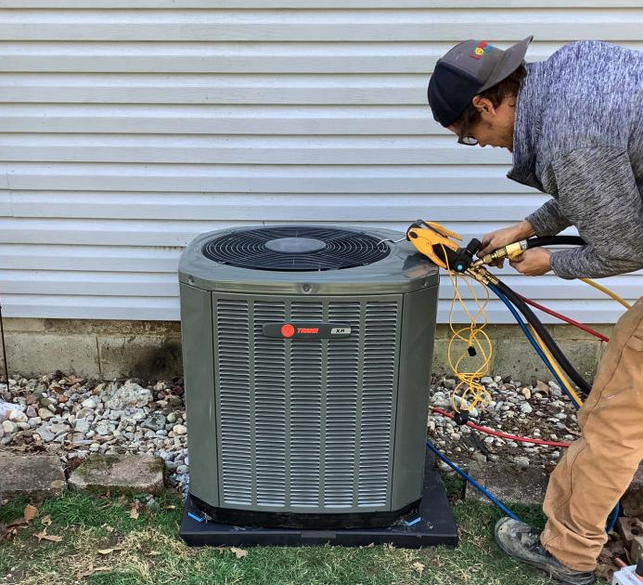
An air conditioner does not create cold air. It moves heat. Refrigerant absorbs heat from the air inside your home at the indoor coil, then carries it to the outdoor unit, where the compressor and condenser coil release it outside. A central AC only cools, so it is usually paired with a separate heating system such as a gas furnace or electric air handler.
How a Heat Pump Works
A heat pump uses the same refrigeration cycle, but it has a reversing valve that lets it run in both directions. In summer it moves heat out of your home, exactly like an AC. In winter it reverses and pulls heat from the outdoor air, even cold air, and moves it inside. One outdoor unit handles both heating and cooling.
Key Differences at a Glance
- Function: an AC cools only; a heat pump cools and heats.
- Heating source: with an AC you need a furnace or other heater; a heat pump uses electricity to move heat, often with electric backup strips or a furnace for very cold days.
- Efficiency: because a heat pump moves heat rather than generating it, it can deliver more heat energy than the electricity it uses, which makes it very efficient in moderate climates.
- Upfront cost: a heat pump usually costs somewhat more than a comparable AC, but it can replace both the AC and part or all of your heating system.
- Run time: a heat pump runs all year, while an AC sits idle in winter. That means more total wear, so heat pumps often have a slightly shorter lifespan.
Climate Matters Most
Mild and moderate climates
In areas with mild winters, a heat pump is often the clear winner. It handles most or all of the heating load efficiently and can lower energy bills compared to electric resistance heat.
Cold climates
Older heat pumps lost efficiency quickly in freezing weather. Modern cold-climate heat pumps with variable-speed compressors can keep heating well below freezing, but performance and cost still vary by model. In very cold regions many homeowners choose a dual-fuel system: a heat pump paired with a gas furnace that automatically takes over on the coldest days.
Hot climates with little heating
If you almost never need heat, a high-efficiency AC can be a simpler, slightly cheaper choice. That said, many homeowners in hot climates still pick a heat pump so they have efficient heat on the occasional cold night.
Understanding Efficiency Ratings
- SEER2: measures cooling efficiency for both ACs and heat pumps. Higher is better.
- HSPF2: measures heating efficiency for heat pumps only. Higher is better.
- ENERGY STAR: certified models meet stricter efficiency criteria than the minimum.
When comparing quotes, compare SEER2 for cooling and, for heat pumps, HSPF2 for heating. Also ask about local utility rebates and any current tax incentives, since these can change the real cost difference significantly.
Maintenance and Lifespan
Both systems need the same basic care: change the filter regularly, keep the outdoor unit clear and book a professional tune-up once a year. Heat pumps benefit from a check before both the cooling and heating seasons. With good maintenance, many central ACs last around 15 years, while heat pumps typically last somewhat less because they run year-round.
Which Should You Choose?
- Choose a heat pump if you have mild to moderate winters, currently heat with electric resistance or propane, or want one system for heating and cooling.
- Choose an air conditioner if you have a newer, efficient gas furnace you want to keep and live in a very cold climate, or if your budget is tight and you rarely need heating.
- Consider dual fuel if you want heat pump efficiency most of the year with a furnace as backup in deep cold.
Frequently Asked Questions
Does a heat pump cool as well as an air conditioner?
Yes. In cooling mode a heat pump works exactly like an air conditioner of the same size and efficiency.
Can I replace just my AC with a heat pump?
Often, yes. A heat pump can usually connect to your existing furnace or air handler and ductwork. A licensed HVAC contractor should confirm sizing and compatibility.
Why does my heat pump have ice on it in winter?
A light layer of frost is normal, and the unit runs a defrost cycle to melt it. Heavy ice that does not clear may point to airflow or refrigerant problems. Browse our troubleshooting guides for help.